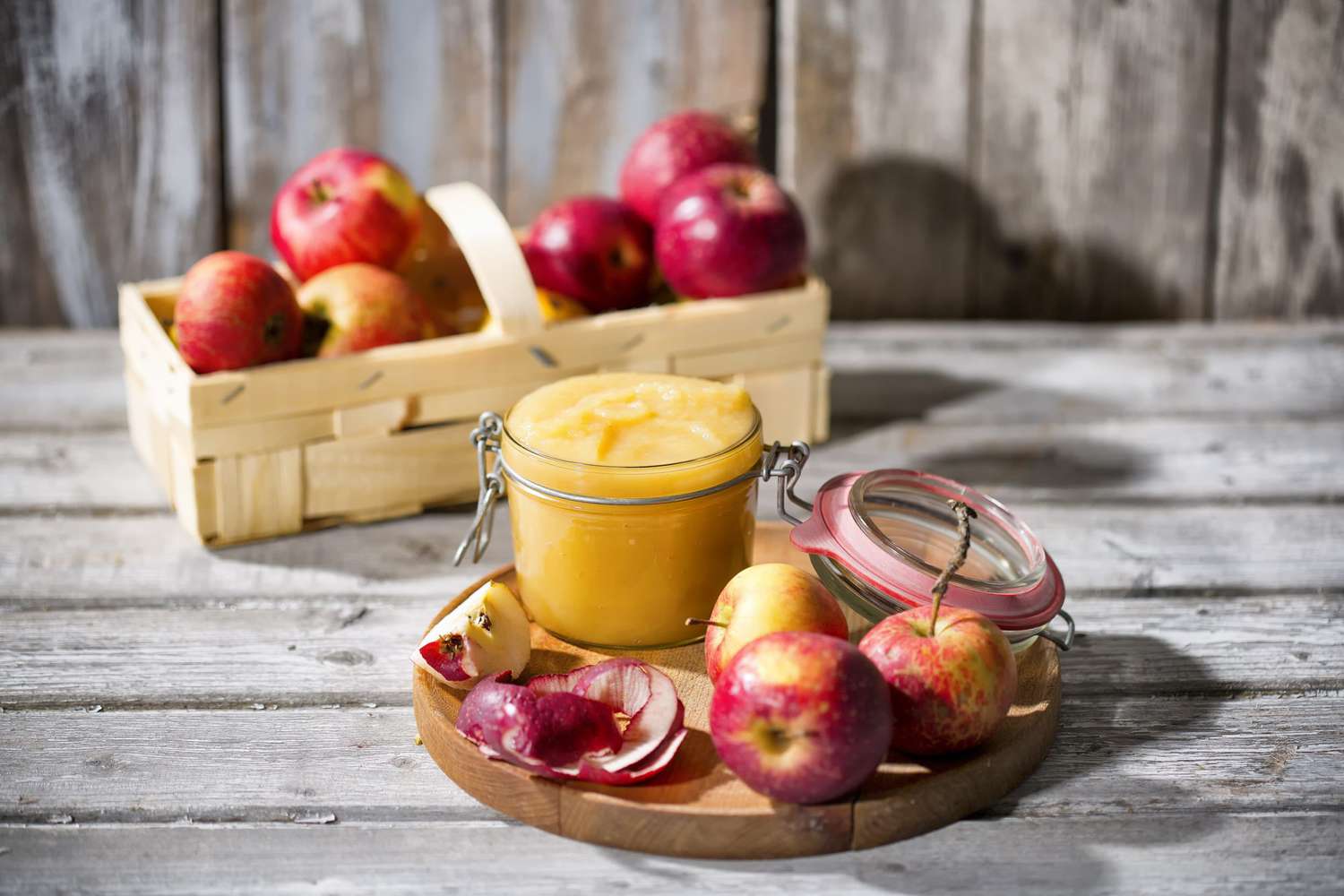
Choose the Best Apples for Flavorful Homemade Applesauce
There's something uniquely comforting and incredibly satisfying about a bowl of homemade applesauce. Forget the watery, overly sweet, or bland versions you find in the supermarket aisle; crafting your own offers a depth of flavor, a perfect balance of sweetness and tartness, and a texture that's simply unparalleled. If you've ever wondered how to achieve that sublime taste, the secret often lies in one crucial decision: selecting the right apples. This guide will walk you through everything you need to know to make the most delicious
homemade applesauce recipe.
Why Homemade Applesauce Triumphs Over Store-Bought
The first step to appreciating the art of applesauce making is understanding why homemade reigns supreme. Supermarket applesauce, while convenient, often comes loaded with excessive added sugars, artificial flavorings, and preservatives. This diminishes the pure, vibrant taste of the fruit itself. When you make applesauce at home, you have complete control over every ingredient. You dictate the level of sweetness, choose your preferred spices, and ensure you're using fresh, wholesome apples.
This control isn't just about avoiding unwanted additives; it's about customizing the flavor profile to your exact liking. Whether you prefer a tart, bracing sauce or a sweeter, milder one, homemade allows for endless variations. It’s also a wonderful way to use up a bounty of apples, perhaps from a local orchard visit or those lingering in your fruit bowl. The difference in taste is so significant that once you've experienced the rich, authentic flavor of applesauce made from scratch, you might never go back to the store-bought kind. For more reasons to make the switch, check out our article on
Skip Store-Bought: Make Fresh & Healthy Applesauce at Home.
The Art of Apple Selection: Sweet, Tangy, or a Blend?
While you *can* make applesauce with virtually any apple you have on hand, the real magic happens when you thoughtfully choose your varieties. The key to truly flavorful applesauce lies in achieving a balanced taste, which is often best accomplished by combining both sweet and tangy apple types.
*
Sweet Varieties: These apples contribute a natural sweetness, reducing the need for added sugar, and often break down beautifully during cooking.
*
Honeycrisp: Known for its crisp texture and perfectly balanced sweet-tart flavor, it makes a wonderfully smooth and naturally sweet applesauce.
*
Fuji: Exceptionally sweet with a firm texture, it adds depth and a pleasant sweetness.
*
Gala: Mildly sweet and aromatic, Gala apples are a reliable choice that softens well.
*
Golden Delicious: A classic sweet apple that cooks down easily, providing a smooth, rich base.
*
McIntosh: While leaning slightly tart, it's often grouped with sweet apples for its soft, slightly mealy texture when cooked, making it excellent for sauce.
*
Tangy Varieties: These apples bring a much-needed zing and brightness, preventing the applesauce from tasting cloyingly sweet or flat. Their acidity also helps to enhance the overall apple flavor.
*
Granny Smith: The quintessential tart apple, Granny Smith is a popular choice for applesauce as it provides a strong, refreshing tang that brightens the entire dish.
*
Braeburn: Offering a good balance of sweet and tart with a firm flesh, Braeburn adds complexity and a slight spice note.
*
Pink Lady (Cripps Pink): A lovely apple that balances sweet and tart, often with a hint of berry flavor, making for a vibrant sauce.
The Power of the Blend: Our top recommendation for the most dynamic and delicious homemade applesauce is to use a combination of sweet and tangy varieties. For instance, pairing Honeycrisp with Granny Smith offers a perfect symphony of flavors. The sweetness from one balances the tartness of the other, resulting in a complex, well-rounded taste that will tantalize your taste buds. Experiment with different ratios to find your personal favorite – perhaps 2 parts sweet to 1 part tart, or even a 50/50 split.
Consider also the texture. Some apples, like McIntosh, break down very quickly, while firmer varieties like Fuji might take a little longer. A blend can also help you achieve your desired consistency, whether you prefer a super smooth puree or a slightly chunkier sauce.
Beyond Apples: Essential Ingredients for Your Homemade Applesauce
While apples are undoubtedly the star, a few other simple ingredients elevate your applesauce from good to extraordinary. The beauty of a classic
homemade applesauce recipe is its simplicity, often requiring just four basic items:
*
Apples: As discussed, about 4 pounds of assorted apples (approximately 8 medium apples) will yield a generous batch. Peel, core, and chop them for the best results, though some prefer to leave the peels on for added nutrients and a rustic look (just be prepared for a slightly different texture and color).
*
Water: About ¾ to 1 cup of water is usually sufficient to start the cooking process, preventing scorching and helping the apples break down into a sauce. The exact amount can vary based on the juiciness of your apples.
*
Sugar: White granulated sugar is traditional, but the quantity is entirely up to you and the sweetness of your chosen apples. Start with a conservative amount (e.g., ¼ cup for 4 pounds of apples) and add more to taste after the apples have cooked. You can also opt for natural sweeteners like honey, maple syrup, or simply let the apples' natural sugars shine through for an unsweetened version.
*
Cinnamon: Ground cinnamon lends a warm, inviting aroma and flavor that perfectly complements apples. A ¼ teaspoon is a good starting point for 4 pounds of apples, but feel free to adjust.
For an even more balanced and vibrant flavor profile, consider these additions:
*
Lemon Juice: A tablespoon of freshly squeezed lemon juice is a game-changer. It brightens the flavor, adds a subtle tang, and helps prevent the applesauce from browning, keeping its appealing fresh color.
*
Kosher Salt: Just a pinch (about ½ teaspoon for 4 pounds of apples) of kosher salt enhances all the other flavors, bringing a delightful complexity without making the sauce taste salty.
*
Other Spices: Don't be afraid to experiment! A touch of nutmeg, ground cloves, or even a hint of allspice can add wonderful layers of flavor, especially for a fall-inspired applesauce.
Crafting Your Perfect Applesauce: A Step-by-Step Guide
Making homemade applesauce is surprisingly straightforward. Here’s a detailed guide to ensure perfect results every time:
1.
Preparation is Key: Begin by washing your apples thoroughly. Peel, core, and chop them into roughly 1-inch pieces. Uniform pieces will ensure even cooking. If you're using a mix of apple varieties, combine them in a large pot.
2.
Combine and Cook: Add your chopped apples to a large, heavy-bottomed saucepan or pot. Pour in about 1 cup of water, your chosen amount of sugar (if using), and a pinch of salt. Bring the mixture to a simmer over medium-high heat, stirring occasionally to prevent the apples from sticking to the bottom.
3.
Simmer to Perfection: Once simmering, reduce the heat to medium-low. Cover the pot with a tight-fitting lid and let the apples cook until they are very soft and easily pierced with a fork. This usually takes between 18 to 20 minutes, depending on the apple variety and size of your chunks. Stir occasionally to ensure even cooking and prevent scorching.
4.
Flavor Infusion: Once the apples are tender, remove the pot from the heat. Stir in the lemon juice and ground cinnamon (and any other spices you're using). Allow the mixture to cool for about 5 minutes before proceeding to the mashing or blending stage.
5.
Achieve Desired Consistency:
*
For Chunky Applesauce: Use a fork or a potato masher directly in the pot to mash the cooked apples until you reach your preferred consistency. Some like it chunky, while others prefer a smoother, yet still textured, sauce.
*
For Smooth Applesauce: For a silky-smooth applesauce, an immersion blender is your best friend. Simply place it directly into the pot and blend until smooth. Alternatively, you can transfer the apple mixture to a standard blender. *When blending hot liquids, exercise extreme caution:* Let the mixture cool for at least 5 minutes. Fill the blender pitcher no more than halfway. Remove the center cap from the lid (this allows steam to escape) and cover the opening with a folded kitchen towel to catch any splatters. Pulse gradually until smooth.
6.
Cool and Store: Transfer your freshly made applesauce to a bowl and let it cool completely. Once cool, store it in an airtight container in the refrigerator for up to 3 to 5 days. For longer storage, applesauce freezes beautifully for several months.
Tips for the Best Homemade Applesauce Experience
*
Taste and Adjust: Always taste your applesauce after cooking and blending. This is your chance to add more sugar if it’s too tart, a splash more lemon juice if it needs brightening, or extra cinnamon for more warmth.
*
Don't Overcook: While you want the apples soft, overcooking can lead to a loss of flavor. Keep an eye on them once they're simmering.
*
Seasonality Matters: Apples are best when they're in season, typically from late summer through fall. Using fresh, in-season apples will yield the most flavorful applesauce.
*
Serving Suggestions: Homemade applesauce is incredibly versatile. It's a classic accompaniment to roasted pork chops or poultry, a delicious and healthy breakfast item or snack on its own, and fantastic swirled into yogurt, oatmeal, or even served with pancakes and waffles.
*
Utilize Imperfect Apples: Don't discard apples that are slightly bruised or look less than perfect. As long as they're not rotten, these are often perfect candidates for applesauce, giving them a delicious second life.
Conclusion
Making your own applesauce is a truly rewarding culinary experience. It's simple, allows for incredible customization, and the resulting flavor far surpasses anything you can buy in a jar. By understanding the characteristics of different apple varieties and taking a few basic steps, you can create a vibrant, flavorful, and healthy treat that will become a cherished staple in your home. So, next time you're at the market, pick up a mix of sweet and tangy apples, and get ready to enjoy the unparalleled taste of homemade applesauce. Your taste buds will thank you!